Woman of Purpose

Woman of Purpose Award Presented in Partnership with YETI®
Les Dames d’Escoffier International bestows the Women of Purpose Award to an exceptional Dame who has set herself apart by making a positive impact in a local or global community, incorporating the important and complex realms of global sustainability, food justice and public health. This Award celebrates a visionary Dame who has made strides towards improving our food system.
The LDEI Woman of Purpose Award will be presented every other year at the LDEI Conference, alternating with the LDEI Grande Dame Award. Submission details for 2025 can be found here.

Woman of Purpose 2025

Hayley Matson-Mathes
Executive Director
Hawaii Culinary Education Foundation
Hayley Matson-Mathes is a true Woman of Purpose who has dedicated her career to enriching Hawaii’s culinary landscape. With a background rooted in Kansas agriculture and a passion for food education, she has spent over two decades as the Executive Director of the Hawaii Culinary Education Foundation (HCEF).
Her tireless work has transformed HCEF into a unique non-profit, providing fully funded, hands-on culinary experiences for over 77,000 students and professionals. She coordinates programs with a network of renowned local and mainland chefs, including influential Dames like Joanne Chang and Grace Young.
Hayley’s dedication goes beyond the classroom, bridging the gap between farm and kitchen while exposing students to diverse ingredients, modern techniques, and global culinary perspectives. Through her leadership, HCEF has become a catalyst for community change, sparking important conversations and inspiring a new generation of culinary professionals in Hawaii. As a mentor and past President of Les Dames d’Escoffier International, Hayley embodies the organization’s mission to support and empower women in food, beverage, and hospitality.
Mentoring Network
Inspire & Thrive:
Women of Purpose Fostering the Future
This exceptional field of nominees wanted to go above and beyond and these impactful Dames are willing to take time to inspire others who are like-minded. Webinars and panel discussions are forthcoming.
This leadership/mentorship group is our invitation to all who are interested to learn from and connect with these inspirational women.
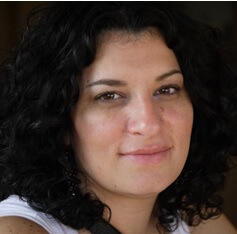
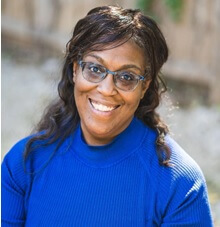

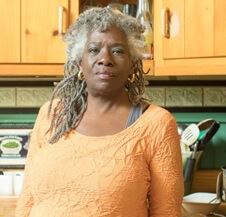
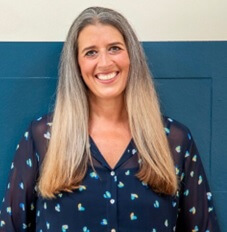


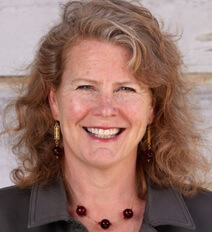
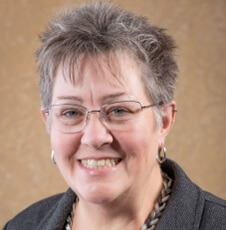
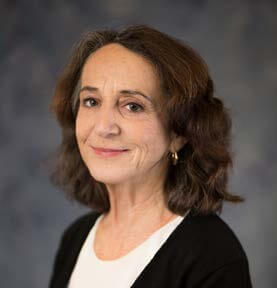


In journalism, writers learn to focus on the “five Ws,” and who, what, when, and where often become headlines. Time and again, however, it is the last W, why, that is the heart of things. So, if I may, a story:
I am fascinated by borders, by gaps, the in-between. This is perhaps due to growing up as one of very few immigrants in a small town. While I learned during that time that a four-way stop sign means you lift two fingers to let the other car go first, also I learned how foods mark every season, that food scraps are of good use, and that tasty meals are tied to farms. I saw how food did the talking for my parents at the table—it told me what was comfort, and how food linked me to an identity I felt far from in Kansas. I wanted to let food do my talking, too, since the cultural world of my family was separated from the rest of my life firmly by our front door.
I sometimes stood at the edge of fields just to feel wheat tassels tickle my palms when I twirled. Food stretched as far as the eye could see. I took it for granted, mostly. Then, a boy and a banana changed everything. I was six, and sat at the back of a bus on a trip to India to visit tea plantations and my uncle. A boy, near my age but small, held his arms up below my window. I had a banana in my lap and threw it to him, and that yellow fruit turning end-over-end through the air holds firm in my memory. I watched him snag it, and quickly take a bite right through the skin, fearful that the older children near him would get to it first. I pressed my tongue to the roof of my mouth, imagining bitterness. Ever after, that boy influenced every major decision in my life, and gave me the courage to write my first book, Biting Through the Skin: An Indian Kitchen in America’s Heartland.
I joined the U.S. Peace Corps in Tunisia in 1984 for that boy, and found that food became the warmest way to make connections in what used to be the Roman breadbasket but was now, due to depleting soils, the edge of the Sahara. My fondest memories of that time are in kitchens. I would gather with women as they taught me about their food, and more, about their lives. In 4 x 6-foot cement block rooms with hot plates fired up, I rolled semolina between dampened fingers to create the night’s couscous. I became fascinated with their much-loved heritage foods and discovered that these were no longer sustaining them. Their men were barely taller than my 5’3” frame, and the women were much shorter. Two kilometers away in town, men were over six feet tall. The difference, from what I could see, was the money to buy protein, and other micro-nutrient dense foods grown in more fertile fields. Even with the wisdom embedded in heritage recipes, depleting soil health was intractable.
To bridge another gap, I became director of food systems communication at the University of Missouri Science and Agricultural Journalism program to teach writers to think in new ways about food. Our food systems are formed to fulfill our human interest in flavor, novelty, and our absolute need for nutrition—all based on soil. With more and more people disconnected from our farms, developing content creators with this sensibility is vital.
Also, during this time, I worked in Mozambique and Ghana and my field interviews produced a low literacy cookbook in collaboration with small-holder female farmers intended to combat severe mental and physical stunting (46% of children in the region). Showing the faces, garments, cooking fires, and utensils of the area as a celebration, a cultural connection, was as important to me in the exchange as their tasty recipes.
When I was selected as a Global Scholar with U.S. Fulbright to research the heritage foods of Bengal, I landed in India ready to unwind how cuisine, held close to the vest under colonialism, could be a form of activism, even as it moved around the world. The power of food history bridged that understanding and anchors my recent book, Green Chili & Other Impostors, which shows, I hope, how entwined we already are on the plate.
In the pandemic era, a group of Missouri women and I founded and launched the recipe website, www.thecommoningredient.com, to support organizations focused on feeding people, on nutrition education, and showcasing local food producers. The widening gap in the ability to feed a family spurred us on. The site not only has generated donations, but recipes and the stories behind them that connect us as neighbors. The organization has become borderless, and is expanding with a launch in Virginia in April 2023.
Since food tells a walloping good tale, I was pleased to be co-editor of the textbook, Food and Culture, 8th Edition, released in Spring 2023, to help students understand and cherish food story across the globe and strengthen professions that use food to build and maintain health.
I aim to encourage broader audiences, my nefarious plan all along, to the cultural-historical connection cuisine offers at each turn. My upcoming projects are—Canned Peaches, a KBIA podcast to air in 2024, connecting our Midwest region to the origins of some of our most beloved foods (psst, they are not from the Midwest); and a book/PBS film project focusing on Asian contributions to America (motivated by data showing that hate crimes against Asians are up 73%) from tea, black pepper, and citrus to many more foods integral to our tables.
Food story is tenacious and bridges the many borders we create as humans. My focus has always been right there, in the in-between, using food to connect.
Marianela Blanco
Bilingual Family Liaison for Des Moines Public Schools
I have been a member of the Greater Des Moines chapter of Les Dames since 2019 and a board member of the chapter since 2022. I was born and raised in Costa Rica and moved to the United States to the state of Iowa in 1994. I graduated from the Iowa Culinary Institute in 1998 with degrees in Culinary Arts and Hotel / Restaurant Management. I am also a Bilingual Family Liaison for Des Moines Public Schools. In addition, I am a Board Member for Iowa’s Largest Latino Heritage Festival. Being a member of the Les Dames chapter in Des Moines has opened many avenues for me. I have had the opportunity to meet amazing women in the Des Moines metro area that feel the same love for not only food but also share the same philosophy in helping the community grow, volunteer and educate the community in subjects like food insecurity, food rescue, women business owners and helping Des Moines become a better place for all of us. I also helped launch the Greater DSM Chapter “Give a Girl a Knife” scholarship. It has been a wonderful experience being able to give three amazing future women in the food industry a scholarship to continue their studies. As a Bilingual Family Liaison, I work closely with Latino families that have migrated to the state of Iowa. Many of these families are new to the country and in need of everything from beds, clothing, a place to stay, food, jobs, interpretation / translation services, and much more. I also help families get connected to these services and strongly advocate that they get the services, resources, and respect that they deserve. The journey to most of the families I work with have been traumatic and long, leaving behind loved ones and everything they know. I try for them to know they have someone they can count on and to let them know I understand their position and where they come from since I am an immigrant myself. I want them to feel welcome and to love the State of Iowa as much as I do. One of the things I have helped develop is a food pantry and a clothing closet in one of the schools that I serve. Every Thursday, more than 25 area families come to receive free food from our pantry and clothing from our closet. I love knowing that a public place that educates our future generations also serves as a place for food insecurity and clothing to our community. I am in the process to get a bigger freezer for our pantry at Eat Greater Des Moines so we can serve more families at our pantry. Through the food pantry I have learned how embarrassed families feel to come and get food because they are struggling daily. My main goal is for them to know that there is nothing to be ashamed of, I am there to help relieve some of their stress, and be someone that they can count on in whatever way I am able. The thing that makes me happy is that most of our food has been rescued from the metro area of Des Moines. Knowing that food is not going to waste but at the same time is serving the purpose to helping close food insecurity in my community.
As a part time job, I teach cooking classes at Kitchen Collage in the East Village of Des Moines, Iowa. I focus on foods from Latin America. I love to teach. I have a passion for food and cooking, so for me teaching cooking classes is very fulfilling. I want people to feel my love for food and cooking through my classes and feel the connection that food brings to central Iowa from my past in Central America.
As a Board Member of the Latino Heritage Festival, I have helped organize the festival since 2006. One of the things I focus on is giving scholarships to Latino Students in the state of Iowa. Many of our Latinx students are either undocumented or DACA students who are not eligible for FAFSA and many scholarships that require the applicant be a U.S. citizen. Our scholarship does not require that applicants be documented or eligible for FAFSA to qualify. Last year we were able to give 35 scholarships to future Latinx college students in the state of Iowa. We partner with Recycle Me Iowa and now can teach our Latinx community members the importance of recycling – not just for our community, but for our planet. Another crucial part of the Festival is showcasing the different foods that are represented in the state of Iowa – from Peru, Dominican Republic, Mexico, El Salvador, Cuba and much more. The flavors and cultures of other countries are represented in their foods and this allows Festival goers to travel to a foreign place, if only for a short moment. It is experiences like these that create a more open, understanding, and conscientious society. All of these things I am involved are something I am passionate about. I am lucky to have the ability to connect with many more people in my community by being part of different organizations. I always tried to do my best and give the best that I can without asking for anything in return. Volunteering for things that are important to me and also being part of organizations that matter to me is what makes me have purpose in my life.
Joi Chevalier
Founder, Cook’s Nook
“Our next step will be to work on bringing these same healthy meals to meet people where they are – in our 13 zip codes in Travis County that have no grocery, market, but maybe a convenience store is available. The Cook’s Nook will partner with the City of Austin in a rebuild of the Healthy Corner Stores program, to be a supplier to convenience store owners and create a new channel of healthful products, as healthy outcome alternatives, for their convenience store shelves…. At the end of the day, any business should reflect the values of the owners and participants. When I was inducted into LDEI, it was a great honor for me, as I thought LDEI aligned with my own values and principles, which are also woven into the company. The Cook’s Nook is, at its core, a company focused on different ways, means, processes of ensuring food ecosystems work in the most equitable way possible. That’s its – and my — purpose.”
I wrote those words in my essay three years ago now, in support of my chapter’s nomination of me as a Woman of Purpose. Little did I realize I was only on the starting block.
Thinking about food insecurity and creating opportunities for positive health outcomes through quality food and nutrition has become a singular focus these days. The Cook’s Nook (TCN) has become a center of culturally relevant food & nutrition, innovative solutions, thought leadership, and policy influence, in order to reach those most vulnerable to nutrition deficit – whether food insecure or needing tailored meals to support living with chronic disease.
It’s still surprising, in this age of plentiful food production and global logistics, that we still must talk about the right to nutritious food, and to talk about the corollary, food equity – the right to grow and/or consume nutritious food that is culturally relevant and accessible. But here we are. We’ve become uniquely focused on this—and maybe one of the few companies that lives by this premise—in order to change health outcomes, and change lives, one community at a time. In two years, we have provided communities and households with more than 1.2 million meals and quick service foods through partnerships with cities, counties, school districts, and nonprofits that are embedded across Austin and Travis County, and now in Dallas. Each week, we create 4-6K meals that leave us by refrigerated vehicle or shipped through UPS. That’s now our core.
But we strive to be more than just a provider of meals. Our mission at The Cook’s Nook is to be the leading developer and distributor of fresh, nutritious and culturally relevant meals to address food insecurity and chronic disease. To do this, we design thoughtful solutions and create programs that lead to improved health and economic outcomes by providing vulnerable populations access to quality nutrition with dignity and choice.
In many ways, we’ve become even more than my own prescient vision above. And that’s due to feedback from communities, from seeing the gaps in the market, from those who work and finance the social impact space that we’re now in, and from my fellow team members of this enterprise. They charge forward and help change the vision of where we’re going, and how we reach those through the growing network of public partnerships and private healthcare providers. We don’t just work with these partners or execute on contracts with them – we strive to create a clear community and network that knows each other, knows the fellow allies and conspirators that are intentionally centering food equity in their corporations, community outreach, hospitals, care clinics, insurer plans, or in city planning. This requires further commitment—in my case, it’s serving as the Chair of the Austin Travis County Food Policy Board, being a part of Food Tank’s Refresh Working Group, and most recently, a member of Root Cause Coalition that’s tackling these issues on Capitol Hill. This past year, as a part of TCN’s work and advocacy and through recommendation by the Austin Travis County Food Policy board, the City of Austin budgeted $3 million on food access, including $500K for creating a Regional Food Plan.
Change in a food ecosystem is not simple. But I think our vision and path to ensuring the words ‘food access and food equity’ remain on public, private, and community lips – as policy, practice, demonstrative product (like our Cultura Cuisine Meals food & nutrition product line), and public & private program dollars moving to affect change in food equity has been successful so far and resonates with many. The challenge post-COVID19, is to keep it up, expand the knowledge, relevant nutrition models & solutions, and voice the righteous demand by those in need to those who can join us in the fight. This is the quiet battle in the US policies for the next 50 years – food equity. I’m glad to be at the forefront of the spear in that revolution.
Erin Croom
Co-Founder of Small Bites Adventure Club
For over 20 years, Erin has been a local and national leader in establishing hands-on culinary education and public health programming for children. When she first moved to Georgia in 2007, she founded the state’s first farm to school program with one school, and eventually scaled the program alongside state agencies to reach over 1 million children. Her leadership style is collaborative, and embraces long-term partnerships and thoughtful strategies. Her programs have inspired replication in several states, such as Alabama, Hawaii and Colorado. She continues to create innovative programs that benefit all children, especially in underserved communities. Frustrated by the lack of innovation in nutrition education, she co-founded Small Bites Adventure Club, a program that makes it easy for any teacher to lead hands-on food education featuring fruits and vegetables. This tech-enabled program is the first scalable, affordable nutrition education program, which has already reached over 30,000 students across Georgia, with pilots in California and North Carolina.
Fifteen years ago, I watched as a child shrieked in surprise when he discovered that a strawberry was an actual plant – not a pop-tart flavor. We were on a farm about 15 minutes outside of Atlanta, and I had organized a 3rd grade school field trip where many children picked – and tasted – fresh strawberries for the first time in their life. Since then, I’ve witnessed many of these joyful discoveries. However, my dream is not to surprise children that food doesn’t come from “the grocery store” or “mom’s car.” My dream is that children learn from an early age that food comes from a farm, and that these children grow up eating… and LOVING fruits and vegetables. Reality check! Here are the facts: 90% of U.S. children don’t eat enough fruits and vegetables, and many go days without eating a single vegetable. Childhood obesity has tripled in the last three decades. But… I know the secret to getting kids to eat vegetables. Actually, a lot of people know the secret, which has been documented for years in peer-reviewed research journals: it’s repeated exposure through hands-on cooking and gardening! After working in food and nutrition education for two decades, I co-founded Small Bites Adventure Club in 2019. Our mission is to help children discover, love and eat fruits and vegetables. We know that new foods can be scary for children to try (it’s called neophobia). We wanted to create a program that celebrated the adventure and excitement of even the smallest steps: looking, touching, smelling, and tasting a tiny bite of new foods. Our program takes children on the adventure of creating and tasting recipes like Super Power Kale Pesto, Salsa Fresca, Zucchini with Rowdy Ranch. Also, schools are equitable and effective places to impact change (children can spend up to 8 hours a day there!) But we also knew that teachers, especially after the pandemic, were extremely overwhelmed. So we set out to build an innovative solution with this guiding question:How easy could we make impactful food and nutrition education for teachers? Since we launched, we have reached over 30,000 students across Georgia, and we are launching our national model later this year. Our dream of having children learn about healthy food in a way that is joyful, equitable and culturally responsive – is happening! But, there is much urgent work to be done. Our country tends to reward the cure and the quick fix. However, there is no silver bullet to reverse the trajectory we are on, which is that almost half of Americans will suffer or die from a preventable chronic disease. Investment in early intervention is critical and urgent. Providing high quality, hands-on food and nutrition education for young children is one of the easiest ways to ensure that children adopt life-long healthy eating habits. I am heartened by the fact that eyes are opening, and that I am joined in this critical work by so many women leaders in LDEI and across America. Food is so much more than calories or nutrients. Food is about sharing joy, memories and traditions. Food is about honoring the farmers and earth. Food is about love. And, I am honored to share this love of cooking with many, many more children for years to come.
Valerie Erwin
I’ve always been interested in social justice. I’ve always loved food. I’ve spent my career trying to connect those worlds. I am on a mission to join my two passions in a meaningful way. I consider myself a connector: putting like-minded people, organizations, and causes in touch with one another. Below are a few examples of how I have tried to live a life of purpose.
I opened Geechee Girl Rice Cafe because I’d run out of places where I wanted to work, and because the food that I loved was largely ignored by the restaurant world. Geechees are the descendants of the enslaved Africans who live on the coast and islands of South Carolina and Georgia. This is where my grandparents were from and its foods were some of the first things that I learned to cook. I came to cook, but I was quickly called on to do more. My customers were made up of roughly three groups: folks who were amazed and impressed that there was an African influenced Low Country cuisine; expat Southerners happy to have authentic southern food; and African Americans with Low Country roots who were relieved to see the previously pejorative term “Geechee” revived with pride. I was pulled, inadvertently, into being a culinary and cultural educator. I loved the exciting, entrepreneurial world of restaurants, but it became clear to me that if I wanted to work for social change, I needed to be in the not for profit realm. I was searching for causes that would leave people better than we found them. Policies that would help citizens at large. Education that would empower people and help them to advocate for themselves. I have always believed that no matter how strong our individual actions, lasting change is made by changing systems. To this end, I have tried to find the most effective, most ideologically aligned organizations that I could, and ally myself with them. I had long wanted to improve the lot of restaurant workers. I met Ben Miller and Cristina Martinez of South Philly Barbacoa through their work for immigrant restaurant worker rights. If we could raise the floor for immigrant workers, we could change the conditions for all workers . In 2020, Ben wanted to think through what would happen to Philadelphia restaurants in the event of a pandemic emergency. When colleagues suggested making meals for the community, I was in from the start. We started The People’s Kitchen Philly (TPK) in March of 2020, and I’ve been on the board ever since. TPK not only provided meals, it gave employment to out of work cooks and chefs, training for culinary students, and much needed social interaction and community building for the cohorts of volunteers. I acted as the HR department for the chefs and volunteers. I managed the inventory to ensure that the chefs had what they needed to produce meals. I recruited chefs to work there. I was able to cook there myself, producing up to 200 meals a day. Because we are interested in more than providing meals, TPK has expanded to a community-based farm. The farm provides produce to community members as well as supplying TPK. More importantly, the farm enhances a neglected neighborhood with green space, and serves as an example to the neighbors of what they can accomplish. When it became apparent that TPK needed skilled help in preserving our excess product, I enlisted April McGreger, a preserving and fermentation expert, to share her knowledge with TPK. April has been able to implement an advanced preservation program, and to teach volunteers the skills that she possesses. As TPK matured, and was searching for funding opportunities, we needed to formalize our non-profit status. I drafted my sister Alethia Erwin, who has a background in business finance, to guide us through the various state and federal filings. Because of her work, just last week, we were awarded 501C3 status! These kinds of administrative tasks don’t have as exciting a profile as cooking or distributing food, but they are crucial elements of a successful organization.
For 2 years, I was the chef and general manager of EAT Café, an innovative pay-what-you-can restaurant. EAT was part of Drexel University’s Center for Hunger Free Communities. While the Center conducted research on poverty and pushed for legislative change, EAT addressed the immediate issue of hunger. I learned early on that if accolades were your primary motivation, you could not last in that job. Occasionally, though, I did get accolades. One of the most poignant times was during a sleepy morning when I was exiting the subway. A very tall young man (I’m 5’2”) called to me. He’d just started living in a shelter when someone took him to EAT. He felt self-conscious and disempowered when he came in. The way the staff and I treated him, though, completely changed his attitude. In the subway he was wearing a company jacket, so I think he’d found work. He hugged me! It remains one of the most meaningful interactions of my life. This young man was emblematic of our customers: at a temporary disadvantage and looking for the dignity that everyone deserves.
In 2020 I became the Program Manager of Farm to Families, a produce access program of St. Christopher’s Foundation for Children with a mission of fighting nutritional insecurity (the lack of access to nutritious food). Some of our families pay a greatly reduced market price for their weekly fresh fruits and vegetables, but most get the produce at no charge. I research healthy, culturally appropriate recipes that we include in the boxes along with information about the sometimes unfamiliar vegetables. Our participants have been exposed to a quality and variety of produce that would have been difficult for them to access on their own. It’s knowledge that can’t be taken away, even if the food itself stops coming. I have been able to leverage relationships in the food justice universe to enhance the operation of Farm to Families. We have instituted home delivery with the help of Food Connect, an organization that I already knew. We have increased the number of boxes that we deliver from about 750 per month in 2020 to over 1700 per month in 2023. Healthy families lead to healthy communities. It has always been my utmost desire to make all of our families and all our communities as healthy as possible.
Naomi Green
Senior Regional Director, Giving Kitchen
In 2014, I resigned from a career of more than 20 years in food service to become one of two inaugural employees of Giving Kitchen (GK). Giving Kitchen was founded following the devastating cancer diagnosis of Atlanta Chef Ryan Hidinger in 2012. Despite being a salaried employee with health insurance and disability leave, the diagnosis proved to be too much of a financial burden for Ryan to overcome. He found himself choosing between the best possible medical treatments and his mortgage payment, gas bill, power bill and water service. Learning of his obstacles, the Atlanta community rallied around Ryan in an unprecedented way, raising money to ensure the choice between healthcare and basic living didn’t have to be made. It was then that I heard about Ryan and was moved to join the founding Giving Kitchen team.
In the beginning, our eligibility requirements and funding limited Giving Kitchen to aiding employees of Atlanta’s independent restaurants. On his deathbed, Ryan had a final wish: he wanted GK to be a crisis resource and stability service for everyone in the food and beverage industry. The Giving Kitchen story started with the Hidingers and the fight to save one life. Now, it’s my story and the fight to serve millions. Ten years later, more than 12,000 lives have been stabilized including $8,000,000 in financial aid distributed.
One of the most heartbreaking calls I’ve received from a Giving Kitchen client was during the onslaught of the Covid-19 pandemic. This was a server, who like many others found herself suddenly out of work, out of money and running out of hope. Heeding public health warnings to stay away from hospitals unless you were in severe crisis, she’d been ignoring persistent fatigue, a progressive cough and a low-grade fever. But then she started to cough-up blood. With no insurance, she drove herself to the local public hospital to seek evaluation and treatment for what she assumed was now severe Covid-19 and pneumonia, so was absolutely blindsided when doctors told her she had leukemia. Weeks later, with a complex treatment plan mapped and some hope for recovery, she got a call from her landlord. She needed to move right away. Her lease was up, and they too had lost their jobs and needed to move back to Atlanta and into the home she was renting. Giving Kitchen was able to provide a deposit for new housing, money to assist with her moving services, and the fees needed to reconnect her utilities. And this is just the story of one person who was brave enough to call me and ask for help.
Throughout my 10-year tenure, GK has grown from a staff of two, aiding 80,000 Atlanta independent restaurant employees, to a team of 27 serving more than 15 million food service workers across the country. Our impact has been recognized locally and nationally, including as a Fast Company Brands that Matter, Georgia Restaurant Association Industry Partner of the Year, and James Beard Foundation’s Humanitarian of the Year, and I am honored to be nominated for the LDEI Woman of Purpose award.
Ellen Kassoff
My dedication to global sustainability and eliminating food waste has grown as the problem has become more pronounced in the hospitality industry. I am committed to inspiring my sister Dames to embrace this “lifestyle” and helping educate them on the benefits of zero waste, for their own business financial health as well as for the health of the planet.
Reducing food costs can be a direct benefit of zero waste, with just a little education on repurposing food scraps, composting, and cooking seasonally combined with reducing the use of animal proteins. It is not only a viable business model, but also something to which the general public has become attuned.
Since opening Equinox in 1999 with my husband, Chef Todd Gray, we have helped educate our Washington DC restaurant community and assisted other businesses to create a sustainability model. We have successfully demonstrated that people make dining decisions based on finding restaurants that have an ethos that matches up to their own morality. Creating more plant-based menu offerings is vital to our efforts to create a sustainable business. We now devote half our menu offerings at Equinox to vegan dishes, proving that plant-based is profitable and will bring in new customers.
According to a 2012 Natural Resources Defense Council report updated in 2017, up to 40 percent of the US food is never eaten. That equates to wasting 1,250 calories per person per day or 400 pounds per person per year – an annual monetary loss of $218 billion. At the same time, 42 million Americans face food insecurity. Food waste is also the number one contributor to landfills by weight, and rotting food contributes to greenhouse gas emissions. Wasted food also means wasted resources — up to one-fifth of US cropland, fertilizer, and agricultural water is going down the drain. Preventing waste is more than just an innovative business. It is also a way to protect humanitarian and environmental interests. As a participant in programs like RescueDish, we help divert food from being sent to landfills and redistribute it to those in need.
At Equinox, we have begun to tackle our food waste system with a composter we installed last year. We had to educate staff, customers, and landlords – this was a herculean effort! We had to change many inert biases about reusing leftover food and composting. We plan to take this program to our neighboring restaurants, increasing our neighborhood composting. We donate our compost to local farms and schools that educate their students about soil management and the benefits of compost. To date, we have contributed to five area institutions. At our newest restaurant in Rehoboth Beach, DE, we focus on ocean health & sustainable seafood and purchasing from as many local farms as possible.
My “big picture” focus is global sustainability in hospitality – food waste systems, agriculture, education, and how we think (or rethink food), bringing awareness and solutions to the hospitality industry. As the Chair of Development for the DC Dames Chapter for the past two years, I looked for ways to involve our chapter in sustainability AND raise funds. For example, I created a Facebook marketplace page for our chapter that is devoted to reselling culinary items that our Dames donate with the proceeds going directly to our chapter. This fundraising model can be profitable for our chapter and give unwanted items a second chance at life, especially since so many of our members have a lot of valuable & vintage kitchen items; this can be an evergreen fundraiser with minimal cost and maximum benefit. It would be my dream to take this program nationally – Dames who thrift!
I have created and hosted several events highlighting DC chefs’ zero-waste culinary offerings. We have also hosted several public panel discussions featuring DC government officials, DC business leaders, and fellow restauranteurs. My focus on sustainability has led me to work on national and even international projects too. Besides promoting Bristol Bay Salmon, the Icelandic food & wine festival, and Vegan Food Week. I continue to write plant-based recipes for national organizations such as Physician Committee for Responsible Medicine and PETA. I spearheaded an “86 food waste” National Restaurant Association program in partnership with World Wildlife Fund. Following a successful pilot in 2019, the program now helps restaurants rebuild post-covid with more sustainable practices. It gives restaurateurs easy-to-follow materials to help them and their staffs reduce food waste and adhere to sustainable practices. These efforts help restaurants save money and – as restaurants are rehiring/retraining amid today’s labor crunch – get a fresh start on sustainable operations. According to research, the restaurant industry can potentially gain $1.6 billion in unrealized profits annually by implementing food waste reduction tactics. The 86 Food Waste program offers critical resources to assist restaurant operators assess their current food waste status and find new ways to up their sustainability game. The program includes assessments that provide an objective score of food waste reduction efforts, menu redesign concepts to consider for a more sustainable offering of dishes, a food waste calculator outlining which small changes can save big money and make a difference, and donation and landfill diversion resources.
Karen Killough
Co-Founder and Marketing Director, Vista Brewing
Mary Kimball
CEO, Center for Land-Based Learning
Mary started with Land-Based Learning in 1998, and has led its growth since that time; in 1998, there was one program and 30 high school students. Today, Land-Based Learning runs five different model programs that serve thousands of high school students and adults each year in close to 60% of California’s counties, primarily in the Central Valley, from Butte to Kern. This includes the California Farm Academy, the only beginning farmer training, business incubator, and 2-year Registered Apprenticeship Program for beginning farm and ranch management in California. The organization employs 26 staff and partners with hundreds of organizations, businesses, and government agencies to implement collaborative and needs-based programs in agriculture and natural resource management.
Raised on a small farm in Yolo County, Mary is very active in local, regional and statewide groups, including serving as Board member of the Yolo County Flood Control and Water Conservation District since 2016, a member of the Sacramento Metro Chamber’s Food and Agriculture Committee, a Board Member of Les Dames Escoffier, Sacramento Chapter (a service organization made up of women in food, hospitality, and agriculture), a member of the Sacramento Chapter of the Land and Economics Society, and is a member of the City of Woodland’s Redistricting Commission for 2021-2022.
Additionally, Mary served on the Yolo County Planning Commission from 2006-2014 (including two terms as chair), as a member of the Board of the Yolo Land Trust from 2004-2014, including three years as President, and was a founding member of the Yolo Food and Ag Alliance.
Mary holds a Master’s Degree in Human and Community Development from the Ohio State University (1996), and a B.S. Degree from the University of California at Davis in Agriculture Science and Management, Plant Science Option (1992). She is an alumnus of the California Agricultural Leadership Program (Class XXXII) and the American Leadership Forum, Mountain Valley Chapter (Class XV). She received the Award of Distinction from UC Davis College of Agriculture and Environmental Sciences in 2003, the Profiles in Leadership Award from the California Agricultural Leadership Foundation in 2014, the Wells Fargo CARES Award in 2015 for her work promoting agriculture and youth education in the Sacramento Region, and the Common Threads North Community Service Award for Women in Agriculture in 2016.
Dr. Lizbeth Kliewer
Culinary Instructor and Division Chair, South Central Minnesota College
Sibella Kraus
Founder and President, Sustainable Agriculture Education (SAGE)
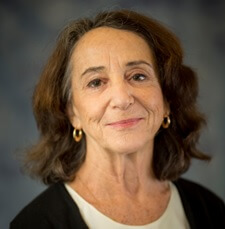
From environmental sustainability to land accessibility, Sibella’s investment in our food systems is large, and it runs generations deep. Her love for the land was nurtured in her family’s kitchen garden in Australia, where she picked ripe strawberries and apricots and learned to appreciate the rich offerings of the land. Knowing and investing in the land has always been a meaningful way of finding home in a new place for her. Her affinity for food systems—their beauty, cultural value, and utility—transcends continents.
She is keenly focused on accessibility for the here and now through her work as the president of SAGE, which fosters the vital food systems that connect urban and rural communities. At a time when agricultural land is increasingly unaffordable, SAGE’s initiative to create the Sunol Water Temple Agricultural Park in Sonoma county now provides land to over 20 farmers, for whom that land would be otherwise inaccessible. Another SAGE-led project to protect the 7,500 acres of Coyote Valley from suburbanization was a crucial success: Coyote Valley is now protected and poised for sustainable farming practices and empowering local farmers. Sibella brought farmers further into the spotlight when she helped organize the nationally celebrated Ferry Plaza Farmers Market in downtown San Francisco. The market provides Bay Area residents with access to fresh ingredients and education on sustainable agriculture through its programming. More than just a space for quality produce, the Ferry Plaza Farmers Market has become a vibrant place for community thanks to Sibella’s appreciation for the people behind the food.
“Sibella taught us all to treasure the farmers,” said Alice Waters—praise that is as true now as it was when Sibella first forged connections between local organic farmers and the restaurant industry while working as a forager for Waters’ Chez Panisse. In fact, Sibella was the epicenter of the farm to table and food equity movement. Her vital contributions to the movement have only gained relevance and momentum. As foodsystems reel in the face of the pandemic and expose flaws in how our institutions support farmers, small businesses, and low-income families without access to healthy produce, Sibella’s leadership is needed now more than ever. She has transformed those difficult moments of grief and inequity into opportunities to reinvest in those who need our attention most. A 2017 report by her own organization found that in the Bay Area—where 13 percent of the workforce are employed in food and agriculture industries—wages for those workers are 64 percent lower than for the average person. While serving those in the present, Sibella has always had the profound ability to look ahead and to forge a more sustainable path forward through policy. At SAGE, Sibella has been working on a plan for land conservation and housing accessibility that extends over two decades into the future known as the Bay Area Agricultural Plan Framework. As in all her work, she has brought together stakeholders and experts across industries to empower their visions for a more inclusive future. She is also involved in the Department of Conservation’s Sustainable Agricultural Lands Conservation Plans, which seek to limit greenhouse gas emissions, promote biodiversity, and protect native plants and animals. As a member of the Food and Farm Resilience Coalition, Sibella advocates for legislation that prioritizes food security, essential farmworkers, and combating climate change. Her comprehensive vision of the food landscape and the battle for its future puts a high value on education. Her program Kids Cook Farm Fresh Foods taught young people about healthy eating, ecological responsibility, and the diverse immigrant legacy of California farmworkers. Her leadership on the San Francisco Foodshed Assessment encouraged others to “think globally and eat locally.” This mere glance at Sibella’s contributions to her local and global communities is astounding, especially since we know she has so much more to give in the way of leadership. She has grounded her sense of purpose in enriching the lives of people and the planet, and we’re deeply inspired by her tenacity, gusto, and wisdom.
Maria Loi
Chef and Entrepreneur, The Life of Loi
I am the Chef’s Club of Greece’s official Global Ambassador of Greek Gastronomy, an entrepreneur, author, TV Host, and healthy lifestyle expert and advocate for the Greek Mediterranean diet. My mission in life is simple: I want to change the world, one healthy bite at a time.
I have always been an advocate for change, but was not always a chef or in the culinary industry. I parlayed my early career in fashion and as a pioneer in cable television to become a lobbyist, representing global companies like Texaco, Nokia and ITT Sheraton in Greece and southern Europe. Yet the driving forces in my life, Philotimo (the love of honorable duty) and my profound love for children and the less fortunate, remained unfulfilled by my early career. It was during a reading of the Cavafy poem As Much As You Can, that I had an epiphany. In that moment, I decided to pay forward my gifts and experience, to rededicate myself in a new way to that which I care most about: health and wellness; food sustainability and security; and serving the vulnerable and underserved among us. I returned to my village in the ‘midwest’ of Greece, Thermo, to reconnect with the farm girl inside me, and the wisdom of the ancients passed down through generations of my family about sustainable, healthy living and the power of good deeds.
Soon after my arrival in the United States, I found partnership in my mission with some of the world’s leading academic and professional institutions which further my commitment and dedication to my mission. It has been my honor to collaborate with the Culinary Institute of America and with professors at Harvard University’s T. H. Chan School of Public Health to showcase the benefits of the Greek Mediterranean diet among leaders in the healthcare, insurance, food production and service industries through groundbreaking initiatives like the Menus of Change Leadership Summits, Healthy Kitchens, Healthy Lives Summits, and Tomorrow Tastes Mediterranean Conferences. But for me, it’s not only about continuing education for industry professionals – I believe in connecting with the students at these esteemed institutions, to usher in the next generation of passionate thinkers and doers. At the UC Davis Olive Center at the Robert Mondavi Institute, I came on to advise and help expand the culinary aspects of their programs, which are so integral to both their mission, and mine as well. These wonderful associations have led to opportunities to serve vulnerable children and the unhoused, as well as frontline healthcare workers leading up to, through, and in the aftermath of the COVID-19 pandemic. As a Da Vinci Master Chef at The Center for Discovery’s 4 Department of Nourishment Arts, I have supported the care, research and treatment for children with myriad complex conditions, and shared my way of thinking about food and cooking with the resident chefs at TCFD who care for these children. Through the Careers in Culinary Arts Programs (C-CAP) and the Loukoumi Make a Difference Foundation in association with The Maria Loi Teaching Kitchen at The Floating Hospital, I have supported the education of a new generation of food service industry professionals with practical training in the benefits of the Greek Mediterranean diet and lifestyle. Through the Loukoumi Foundation partnership alone, my mission has reached more than 100,000 children in more than 200 schools in thirty countries and counting.
My personal mission to change the world one healthy bite at a time has evolved from earlier on in my culinary career as a restaurateur, to my more recent successes as founder of food product, food import and media companies. I am very proud of my innovative PBS series, The Life of Loi: Mediterranean Secrets, an elevated lifestyle show that brings together culture, travel, food and health. In the series, I am able to live my mission by example, exploring the big idea why the Greek Mediterranean diet is not only one of the tastiest and healthiest in the world, but the cornerstone of a life of wellness and longevity. Through my Loi Food Products and Loi-Approved product lines and the PBS series, I share smaller, more practical, ideas and cooking techniques for everyone, whether they live in big cities or small towns without the need for exact measurements or fancy equipment. Most of all, I want everyone to remember my motto, everything in moderation except love, olive oil, and good deeds.
Leslie Mackie
Founder, Macrina Bakery
Service leadership and supporting my community have always been a central part of my career and life. Prior to arriving in Seattle, I’d graduated from the California Culinary Academy and sought an opportunity to train with a woman chef. The Boston chef Lydia Shire became my mentor. To this day, that experience influences my decisions. My work with Lydia — and her shining example of perseverance, authenticity, and always going to the source — lit the way as I forged my path to success. In 1993, I opened Macrina Bakery & Café in Seattle’s Belltown neighborhood. We were eight employees strong and 847 square feet big. My fellow Seattle Dames greeted me with bouquets of flowers that first week. Their support spoke volumes and is but one illustration of the importance of this network in my career. Having traveled extensively through Europe, I had seen the vital neighborhood role many bakeries filled. They not only provided nourishment but were essential community hubs. In this spirit, I engaged with the neighborhood in every way I could. I donated beautiful baked goods to local community groups focusing on underserved non-profits like food banks, women’s shelters, youth organizations, as well as local schools. This was my way of thanking our customers for supporting us. Seeing the impact was an aha moment: my business had more power to serve the community than I ever could personally.
As Macrina Bakery celebrates its 30th anniversary — now 280 employees strong — this still holds true. Our five retail cafes, spread across neighborhoods throughout the city, have created new opportunities to expand Macrina’s community involvement. We have established relationships with several key community partners, which we support with money and products. We work with Community Passageways, which has a vision for zero youth incarceration; FEEST, which trains youth of color and working-class youth to build collective power and organize for transformative and systemic change in their schools; and St. James Cathedral Kitchen, which feeds 150 people daily, to name just a few.
In 2007, Macrina built one of the first Silver LEED-certified baking facilities in the United States as part of our ongoing efforts to align with global sustainability. Our facility design incorporated the use of natural light, energy-efficient lighting, and the use of certified or farmed wood whenever possible. We use compostable packaging, purchase green power from Seattle City Light and compost our kitchen waste. As we emerge from the pandemic, we have set an ambitious company-wide “Use less, Waste Less” initiative to reduce waste in all categories. Recent efforts include equipment to help eliminate dough waste and four new electric delivery vans to reduce our carbon footprint.
In 2010, I accepted the position of chair of the Green Table committee in our Seattle chapter. As a mother with a young daughter, I recognized the importance of exposing youth to wholesome, from-scratch meals and the opportunity to teach life skills around simple cooking. We interviewed Seattle Public School officials and food support agencies to establish our core grant. Over the last 12 years, our committee has made significant contributions, including building a $50,000 greenhouse for the Seattle Culinary Academy, providing essential funding for a WSU endowment with the Bread Lab for continued organic grain breeding research.
Our Green Table committee has given out over $160,000 in grants, at $4,000 increments, to promote the seed-to-table cycle in Washington State. To further our community reach, we created a Community Outreach award in 2018, which shines a light on one outstanding non-profit each year. Recent recipients include Green Plate Special, 21 acres Farm, and Food Innovation Network.
I have been an active member of the Bread Bakers Guild of America since its early beginnings in 1992 and served on the board from 2012–2019. Having worked on many fundraisers for them in the past, I was well-positioned to coordinate the annual continuing education classes and guild hall gatherings around the country. These inspirational classes introduced new baking concepts to our membership and provided classmates with networking and mentorship opportunities. Macrina is still very involved with sponsorship, and I teach classes as requested.
My daughter was born in Guatemala, and she and I have worked with Global Visionaries and Guatemalan Village Health organizations over the past eight years. Global Visionaries is a youth leadership and social justice training organization that welcomes high-school-age children in Seattle and San Miguel Escobar, Guatemala. They meet and train all year and then work together with the Guatemalan community for two weeks in Guatemala. My role has been to feed the students and staff during their retreat training and donate cooking classes and bakery tours to the annual fundraiser. For the past two years, I have been doing baking demonstrations for Guatemalan Village Health as a spring fundraiser. My daughter assists, and the money earned helps with medical missions that get vitamins, dental care, and pre-natal supplies to remote villages in Guatemala.
Les Dames has been bright light in my career, illuminating a path toward success and fulfillment. I am grateful for the support and guidance I received early on, and for the opportunity to make a positive impact in my community and the world. I have seen firsthand the incredible power of small, committed groups like Les Dames to effect change and create a better future. I hope that my work sets a similar example and inspires others to do more.
Shanita McAfee-Bryant
Executive Director/Founder, The Prospect: An Urban Eatery
My professional culinary journey began when I became a teenage single mother. I attended culinary school at Johnson County Community College, an acclaimed – and thankfully, affordable – program that helped me launch a successful career as a restaurant chef. Although I have owned my own restaurant and food truck, many people believe that an unexpected Food Network win in 2014 propelled me into food activism. I credit my father, Mark McAfee, for giving me the courage to create The Prospect KC, a Kansas City-based non-profit fighting food apartheid, a racist and oppressive system that creates inequitable food distribution. Food has been my passion since I was 13 years old. Even when my parents struggled financially, they always made sure that we had plenty to eat. Worrying about where our next meal was coming from was never on the minds of my sisters and brothers. At each twist and turn in my career path, my father was there to cheer me on. When he passed away unexpectedly in 2018, I took a year off to contemplate my next move. Eventually, his memory led me to the idea of using my culinary knowledge, networks and influence to create The Prospect KC, which serves the Kansas City’s Eastside.
The Prospect KC draws inspiration from a proven job training model that has been incubated for the past two decades in the Seattle region at FareStart and Catalyst Kitchens. The Prospect KC’s mission is to create lasting change through programs that address food access, nutrition education and culinary job training by addressing systemic inequities, including food insecurity, unemployment and housing instability. As executive director, I manage five community-building initiatives designed to bolster success for the individual:
• Culinary Job Training: A 16-week program classroom/hands-on experience leading to employment. Participants receive wraparound social services with the goal of employment that pays a living wage. Prospects put their skills to work in The Spot, a 1,200-square-foot community gathering space that includes a café, a sustainably sourced coffee shop and a fresh grocer accepting SNAP payments.
• Kitchen Confidence: A workshop series designed for community members and other non-profits to demonstrate healthy meal preparation, with a focus on underappreciated fruits, vegetables, and lean proteins.
• Real Food For Real People: Community meals outreach with an emphasis on redirecting food waste. Efforts include Operation Meatball, an annual charitable collaboration with Local Pig.
• Stir The Pot: Outreach to promote political engagement and activism necessary to create an engaged voter base that has the information they need to make informed decisions at the ballot box.
• Making A Chef: The brainchild of pastry chef, chocolatier, and instructor Erika Davis, the national James Beard Minority Chef Summit, is a program providing Black chefs and chefs of color with mentors at the peak of their careers. I am a graduate and uses my network to create opportunity for others in the Culinary Job Training Program.
• Parties With a Purpose: Gumbo Fest: In October 2022, The Prospect KC hosted an inaugural Gumbo Fest to gather the chef/restaurant community around a celebration of great gumbo and the redevelopment of the 18th and Vine Jazz District. I was reading The Gumbo Coalition by Marc Morial, president of the National Urban League and former mayor of New Orleans, when I was struck by his notion that making gumbo can be applied to leadership and community development. Cookbook Dinner Series: High-profile Black chefs and chefs of color from across the nation are invited to host fundraising dinners at The Spot. First up, “Top Chef” alum Chris Scott, chef and co-founder of Butterfunk Biscuit Company in Harlem and the author of Homage: Recipes and Stories form an Amish Soul Food Kitchen.
To prepare for my role in guiding The Prospect KC, I was selected to attend the James Beard Foundation’s Chef Bootcamp for Policy and Change, a unique opportunity for civically and politically minded chefs to mobilize the support for policy decisions that impact our food system. Additionally, I was selected for the new Launch KC Social Venture Studio, which offers professional support, grant awards, and network connections designed to strengthen individual business concepts. In October 2022, I attended the White House Conference on Hunger, Nutrition, and Health, the first such gathering in more than half a century, at the invitation of U.S. Representative Emanuel Cleaver. I am a board member for Harvesters, Kansas City’s food bank, serving 26 counties and more than 800 agencies, and a board member of the Greater KC Food Policy Coalition, NourishKC and Lazarus Ministries KC. The Prospect KC has received generous funding from individual donors, foundations, corporations, and the government. The Prospect KC’s major funders include notable grants from the Ewing Marion Kauffman Foundation, the Hall Family Foundation, and the Community Capital Fund.
Food is not a privilege. Poor, black, brown, or indigenous people should have the same food resources as everyone else. I am NOT afraid of the challenging conversation. I feel obligated to use my platform to speak for those who are not being heard. Our food system is broken, but my purpose is to find ways to fix it.
Amalia Moreno-Damgaard
Co-Founder, Women Entrepreneurs of Minnesota
Prior to becoming an entrepreneur and founding Amalia Latin Gourmet and co-founding Women Entrepreneurs of Minnesota, I had a prior career in international banking in the Midwest, which provided a solid base upon which to build my culinary business. I learned the discipline of smart, consistent, and focused work from my maternal grandmother Mélida in Quezaltepeque, a small town in Guatemala in the department of Chiquimula. She was an entrepreneur and artisan cook in her own right. After her divorce, she fended for herself. At home, she started a variety store that catered to the needs of her town, from basic foods like dried beans and corn, to cooking pottery and horse gear. I helped on weekends. She was thrifty, a tight spender, credit conscious, and saved money. She helped others in need while making headway to take care of us. Here I learned the basics and discipline of forming a business, dealing with customers, building relationships, and philanthropy. We went to the indigenous market at the plaza by the church to buy fresh fare for our daily meals. She shopped and bargained. I paid close attention. These were magical days. The nearby villages’ farmers came to sell seasonal foods, chickens, and squealing baby pigs. Consequently, I developed a keen eye for high-quality ingredients. ‘Abuelito Toribio’, her father, owned a coffee plantation and dairy farm. She used milk and other crops he grew in her cooking. Without realizing it, I acquired a taste for authentic flavors. She made everything we ate, from bread and cheese and chorizo to tamales and simply delicious meals. I was often by her side, either observing, fetching ingredients, or licking sweet bread batter remains. Mélida had innate cooking techniques wisdom using her firewood mud and clay stove and oven and instinctive ‘sazón’ (the ability to taste and season well consistently). All the recipes were in her head. Early exposure to a rustic and wholesome kitchen environment made a huge impact on me that I began to comprehend as I grew older.
Upon moving to the United States, I worked in a variety of positions at the banks where I started my first professional journey. After taking multiple ESL (English as a second language) classes in the evenings, I went to college and graduate school while working full time. While this was not easy, I had learned the value of endurance from Mélida, and after almost 20 years in banking, I decided to become an entrepreneur. Alongside, I married a Dane, acquired a new culture, and had a son. I then enrolled at Le Cordon Bleu to take my cooking skills to a professional level. After graduating from culinary school, I started teaching about Guatemalan and Latin cultural nuances through traditional healthy gourmet cuisine at all the major cooking schools in the Twin Cities. Simultaneously, I started Amalia Latin Gourmet (18 years ago) when class attendees started hiring me to cater special events. After 5 years, I phased out catering and focused on experiences, speaking, and consulting, while I wrote and published my two award-winning cookbooks (a third one in the works). My passions have grown stronger as my enterprise has scaled.
My heart and core are deeply Guatemalan. My area of major study and specialization is Mesoamerica, the region that runs from the south-central part of Mexico to the northwestern side of Costa Rica —an ancient cultural and primary center of agriculture, origin, cultivation, diversification of edible plants, and interchange. I strive to help others understand our culture while I work on preserving our precious traditions and cuisine. While in my first and second career, I established a long history of nonprofit board service and philanthropy. I co-founded Women Entrepreneurs of Minnesota (WeMN.org), a 501c6 nonprofit fostering leadership education and mentoring, that is thriving after 16 years as women entrepreneurship is soaring in Minnesota. In January 2023 I became the first Latina president of the National Association of Women Business Owners Minnesota Chapter (NAWBO-MN.org). I have mentored scores of women entrepreneurs and served on numerous boards (14+), including the LDEI Minnesota Chapter board. During my term, I helped recruit new members, created innovative events, contributed to diversity, donated to fundraisers, and during the worst of the pandemic, I was invited to be a key player of the national LDEI DEI Task Force that produced a thorough multi-page report and recommendations for the national board after many months of online meetings with the team. I also have been a strong supporter of the Mexican Chapter traveling to various destinations (recently Oaxaca) for the last four years. As a bilingual presenter, I educate Fortune 100-500 companies globally and teach millions regularly on local TV, radio, and other media platforms on major affiliate stations of NPR, CBS, ABC, and NBC, Univision, and Telemundo. I am a judge in the PBS North Series ‘The Great Minnesota Recipe’ now in its second season. I have worked with CNN/National Geographic on a cultural series airing this summer. From here, I will continue to build higher, give back bigger, learn deeper, and cook happier while embracing and sharing all the gifts I have received throughout my life beside my North Star called Mélida.
Tigist Reda
Owner, Demera Ethiopian Restaurants
Tigist was born in the Tigray region of Ethiopia more than 40 years ago. She came to the U.S. in 1997 as a teenager, with her husband (also Ethiopian.) With no formal culinary training – but as a skilled home cook used to cooking for large family gatherings — Tigist opened Demera in 2007. “I wanted to share the food of my country with the people of my new hometown,” she says. Her restaurant business is a huge success. Demera is widely regarded as the best Ethiopian restaurant in Chicago. In February, Tigist opened in Chicago’s Time Out Market, and in March, Tigist was awarded a $3MM grant from the City of Chicago to purchase a building in the city’s Bronzeville neighborhood, in which she’ll open a third location of Demera.
But in November 2020, Tigist’s native land was wracked with civil war. The situation made it impossible for even humanitarian groups to enter the region, communications were shut down, banks and schools were shut down, and civilians were randomly arrested and terrorized – especially women. As one of 11 children and with most of her family still in, Tigist had to do something. She knew that food was the way to help raise desperately needed funds to help get food, medicines, medical care and humanitarian aid to the area. 2 Tigist started coordinating a series of pop-up restaurants and events across the city, starting in summer 2021. She has since collectively raised nearly a quarter of a million dollars for HPN 4 Tigray (Health Professionals Network for Tigray) with pop-ups dinners and dine around events. What drove her mount these campaigns, on top of running her restaurants? “It was the desperate gravity of the situation,” she says. “People could not access their money, there was no power, there was no cell service. The entire region was blacked-out from communicating with the world. It was very scary.” She notes that the only way to try to get updates on family members was, “if you knew someone with a non-profit near the area who had a Wifi hotspot – I tried to communicate with them, to find out if my family was okay, to get any updates on how the people were faring.”
Tigist is planning to visit Tigray this summer. She visited the neighboring region / country of Sudan in January of 2022, now home to 60,000-70,000 Tigray refugees. She visited cafes that were run by survivors of gender-based violence at refugee camps – which received some of the money that Tigist raised. These funds helped women with needed equipment such as refrigerators and medical help. Tigist also helped fun the Dollar a Day program, which gives money to families with children under 12 years to purchase eggs and milk, with priority given to single moms. Thanks to Tigist’s fund-raising campaign, supplemental funds have been given to 200 families. Thankfully, a peace agreement was reached recently. But, says Tigist, “While the war has stopped, life is not back to normal, as children are not back to school and salaries are not being paid.”
Tigist used what she knows – food and hospitality – to make a monumental difference in the lives of women and children in her homeland more than 7,000 miles away. “It was hard – there so much heartbreak – but the people of Tigray are still going strong,” Tigist says. “They have a spirit of hope – they are not giving up, and I’ll never give up trying to help.”
Chef Amy Sins
Founder, Fill The Needs
Beyond her wildly successful culinary event production business, her cooking classes and her gigs as a motivational speaker, chef Amy Sins, a New Orleans Dame since 2018, is most passionate about feeding people in the aftermath of disaster. Born in New Orleans, raised in Gonzalez – the Jambalaya Capital of the World – Sins never planned to become an expert at managing international relief efforts. But after losing everything when the levees failed after Hurricane Katrina, she experienced first-hand that strategic coordination is sorely lacking immediately after a disaster. What began as coordination of a community of volunteers in 2008 to quickly mobilize to feed people in the wake of natural disasters like hurricanes, floods and fire evolved into Fill the Needs, the non-profit Sins founded in 2022.
Fill the Needs rapidly mobilizes its network of partners and volunteers to assess and coordinate resources required for efficient disaster response. Sins emphasizes that the first 14 days following a disaster is critical for resource deployment that makes immediate impact to the devastated families involved. Fill the Needs supports ongoing disaster relief efforts by providing funding, supplies and support where they are lacking. Fill the Needs is currently supporting four ongoing relief missions, Hurricane Ida, COVID, Afghanistan and the war in the Ukraine. Whether it is feeding thousands or identifying safe locations for people after a disaster, her team is there to assess, evaluate and implement a coordinated network of resources. “We identify the need and we find a way to fill it,” said Sins.
When severe flooding decimated communities in Cedar Rapids, Iowa in 2008, Sins felt compelled to do something. Working with others in the New Orleans restaurant community, she marshalled New Orleans culinary talent and brought a caravan of donated supplies and labor to the disaster site, serving more than 1,500 meals in partnership with local on the ground agencies. It was to be the first of many such outreach missions, with Sins learning how to be more effective each time. She recently worked with a team of New Orleans chefs from La Petite Grocery, Compere Lapin, Latrobe’s, Angeline, Willa Jean, Toups, Palace Café and Emeril’s. With all the help, what she thought was going to be a few hundred meals served turned into more than 100,000. “That was 19 days of no sleep and living on caffeine and Swiss cake rolls,” she recalled.
Those hard-learned lessons are now hers to share. “As a teacher and someone who motivates and inspires others, I now find myself in the business of training others for disaster relief,” she said. “I’ve developed a pretty good formula on how to go rogue during disaster – and make a tremendous impact before larger organizations can mobilize.” Sins recently gave a continuing education presentation to the American Culinary Federation on Disaster Food Relief and How to Leverage Your Network. “Being able to be a resource, to make a difference, is so important to me,” said Sims. “When you’ve been through a disaster, and people helped you, it’s your duty to pay it forward. It just feels like the right thing to do.”
Leigh Sloss-Corra
Executive Director, Market at Pepper Place
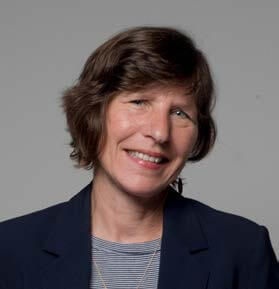
Leigh Sloss-Corra has been Executive Director of The Market at Pepper Place in Birmingham, Alabama since 2016. Supported by the nonprofit organization, Friends of the Market, it was started by Cathy Sloss Jones in 2000 with a goal of helping small family farms and strengthening urban-rural connections. The outdoor Market grew from seven farmers attending weekly during summers to over 100 farmers, food producers, and artisans (and 10K shoppers in attendance) on peak Saturdays.
Under Leigh’s leadership, the Market now operates year-round with an increased number and variety of vendors. She insures that the farmers and vendors represent a diverse community, from African American to Thai to Latinx, and she shows them how to utilize technology and connect with customers to find new revenue streams.
Through Leigh’s leadership, LDEI Birmingham has developed a strong partnership with the Market for the last four years. She invited the chapter to host chef demos promoting it as “Women in Food Month” and “Les Dames Market Takeover.” The Market is located in a food desert area, so showing how to prepare nutritional meals is helping change the way people think about healthy food. In February, the Market’s online store earned enough to fund an entire culinary scholarship.
An economic impact study conducted by the College of Business at the University of Alabama in 2019 shows the Market contributes over $20 million annually to the greater Birmingham economy and has had an economic impact of over $100 million. Leigh continually looks for ways to improve the environment and health of all people. Through the Market itself, cooking demos, SNAP program, and special events, she makes it possible for people to learn to eat well and live healthy, active lives.
The efforts I’ve made to promote LDEI, its members, mission, and the importance of women in the food and beverage industry offer a snapshot of how I approach my work as executive director of The Market at Pepper Place. Supporting farmers and food producers, educating the public about eating seasonally and healthfully, focusing on food equity and access, and creating community and joy through fresh food are what I work to achieve every day. The Market Board, staff, workers, vendors, and fans are all ambassadors of this vision, and I am proud to lead them, set an example, and spread the word.
To help launch our chapter’s Mentorship Program, I connected female market vendors with Mentorship Committee members; those relationships have been successfully making an impact for two years. In the Market’s newsletter and on the Market’s digital platforms, my team and I regularly promote the importance of eating locally grown food, supporting local producers and businesses, and becoming an advocate for the good things produced in our state.
Food equity and public health have become a major focus since I joined this team. Our Market is in a state ranked 3rdd for diabetes and 7th for obesity, nationally. To encourage lower-income residents to come and shop, I launched a program to accept SNAP (food stamps) with Double Bucks and provide food voucher incentives for seniors, all critically needed during COVID-19. We collaborate with the Society of St. Andrew to collect unsold produce at the end of each Market, which is donated to local food pantries. Teaming up with Blue Cross Blue Shield, we launched a Wellness Days program, now in its 4th year, offering free blood sugar and blood pressure testing, nutrition tips, recipes, and fitness demonstrations.
Last year, when COVID-19 forced businesses to shut down, our team devised a way to continue operating so farmers and food producers were able to sell their goods and the public could access fresh food. Our traditional walk-through Market was transformed into a contactless, pre-order drive-through that served as a national model. Our vendors weathered the pandemic and discovered a new revenue stream. My greatest joy has always been bringing people together through food. I hope that by providing more opportunities for women that LDEI, our market community, and society as a whole will survive and thrive.
Erin Vickars
Chef/Educator at Vancouver Community College
I am a professional Chef of 20 years in British Columbia, Canada and I am leading a project with a group of women to establish the first Indigenous Red Seal Cook Trade Training program in Canada, created from an individual Nations traditional culinary history. In an industry historically dominated by a fierce patriarchal view, this is the example of reclamation to bring forward a matriarchal led, community focused, Indigenous culinary trade training program. Through an active partnership with Heiltsuk Nation, Vancouver Community College (VCC) and Skilled Trades BC, we believe this culinary program will set a precedent of program creation that could be implemented nationally in Canada. This Red Seal Program creation stems from a deep need for culinary inclusion, cultural reclamation and the power of small community creation and vision belief. Upon completion of this program’s pilot run, a precedent will exist for all Indigenous Nations in Canada, and perhaps beyond our border, to build their own specific Red Seal Cook Program delivery. To date, VCC is in the process of signing a protocol agreement with Heiltsuk Nation. We have completed two contracts to support their local resort economic development project. The core purpose of this program creation, is to develop and train Red Seal Cook Trade Certified Heiltsuk Chefs, in their home territory with traditional foods, specializing in their traditional cultural culinary practices. Indigenous learning theory, traditional food gathering knowledge/technologies, active traditional marine and terrestrial land stewardship practices and agricultural systems weave together with Canadian Cook Trade requirements to create the first program of its kind. At this time, the program is awaiting completion of the program outline and finalization of curriculum documents. All the required information has been gathered through a trusted partnership with Heiltsuk Nation with access to their archives.
Please journey in your mind, to my home province of British Columbia, Canada. On the central west coast of BC, lies the last remaining 2% of temperate rainforest globally. Here, amongst the ancient old growth trees is home to our protected spirit bears, humpback whale populations, last remaining wild sockeye salmon streams and traditional territories of BC’s Coastal First Nations. One nation, a combination of five original tribal groups almost extinct by smallpox and influenza. The few survivors of these five tribes came together to live and unite as “Heiltsuk”. After 10 years of culinary training in fine dining kitchens, I left Vancouver to find women in industry. I landed as Head Chef, for a small ship sailing company in coastal BC. Aboard a 70 foot. wooden schooner, we would travel Haida Gwaii, The Great Bear Rainforest, Pacific Rim National Park, Southern Gulf Islands and Vancouver Island, sailing, and educating guests on marine biology and the indigenous and western history of our province. It was in Great Bear Rainforest that I met a young indigenous leader in her community, Megan, and we built a vision together. On our trip together, Megan shared her territory, traditional history and stories of traditional foods. Her words and friendship were inspiring, told in the galley of a schooner at sea while I was cooking. They often lead to inspired dishes representing the traditional stories of her nation, created with the local foods we accessed along the way. Through this journey, we built the vision to build a Red Seal Certification in Indigenous cuisine.
After leaving the sailing company in 2019, I landed as Department Assistant at Vancouver Community College, the largest culinary trade training provider in BC. It was here that Megan and I shared our vision with the team (and first female Culinary Department Head in the history of the college) and created a culinary course for her nation. The goal: to build the first indigenous culinary trade training course, specific to a nation’s cuisine delivered in their territory with their traditional foods and leading to national trade certification. To date, Vancouver Community College and Megan’s Nation have completed two culinary support contracts. We have gathered all the traditional knowledge from their archives and populated it into our provincial trade training architecture. Currently, Vancouver Community College and the Heiltsuk Nation are finalizing the first protocol agreement between them ever. A grand act of for the oldest school in the province, dating back to the early 1800’s. We hope to support the active local food sovereignty initiatives and gain national recognition for indigenous cuisine. This involves the inclusion of traditional fishing, hunting, clam gardens, seaweed camps, youth agricultural garden and potential revitalization of ancient traditional gardens in territory.